
Why Has Internet Access Become Something Young African Voters Have to Worry About During an Election?
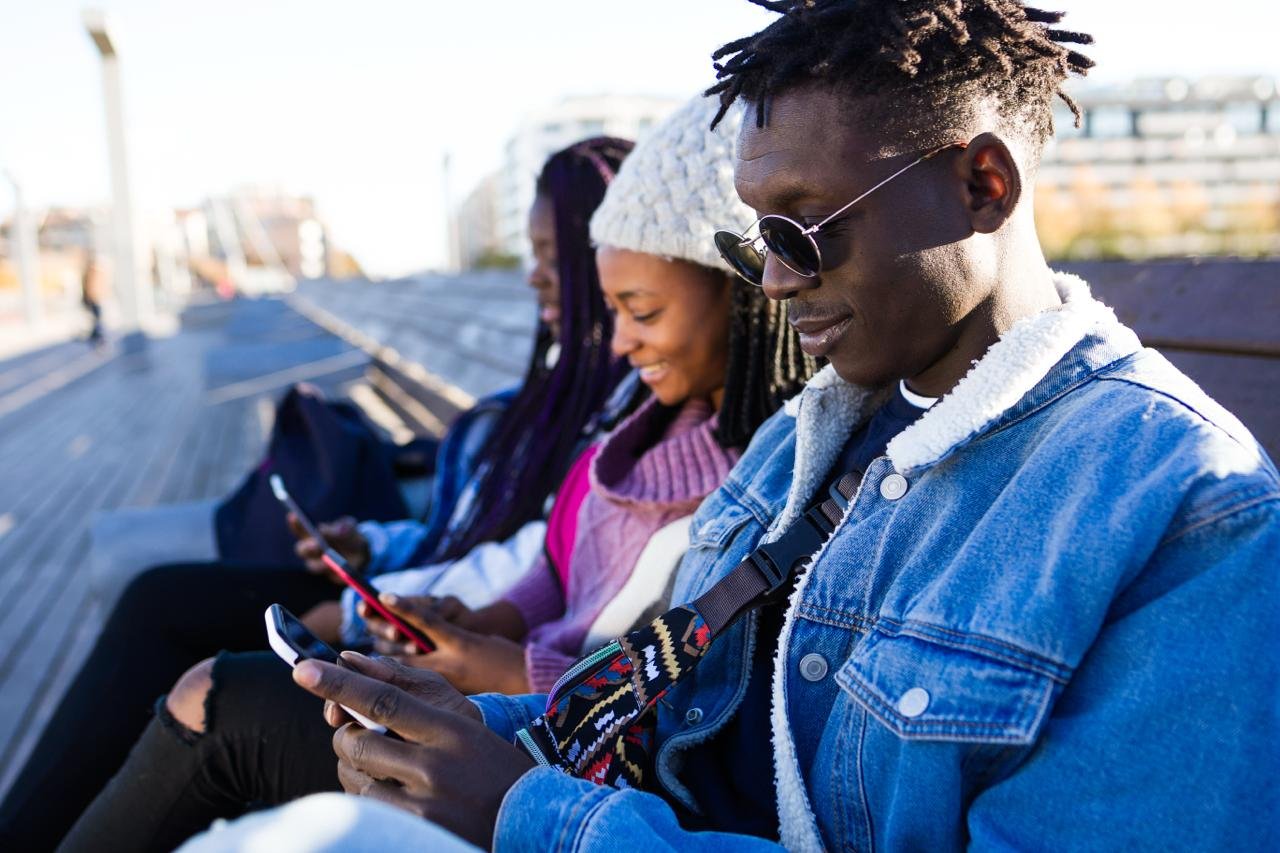
For young people across Africa, an election doesn’t end at the polling station. It follows them home, into the WhatsApp group sharing a “breaking” voice note, the TikTok explaining what happened at a polling station, the screenshot that looks official enough to be true. Politics doesn’t stop when you leave the booth. It lives on your phone.
Zambia’s 2026 election puts that reality on full display. About eight million registered voters cast ballots on 13 August, in a vote shadowed by economic pressure and political tension. Counting was even paused after reports of attacks targeted at election officials and stolen ballot papers.
But alongside the vote count, there’s another story: the fight over information.
The internet isn’t a side space for young voters. It’s where they get news, organize, and figure out what’s actually happening. Observers noted Zambia leaned on digital tools for voter registration, especially among young people. Facebook reached over four million voting-age Zambians and gave candidates an affordable way to campaign. It also allowed for false claims to spread fast.
That’s the contradiction: the same tools that power participation also power misinformation. Which makes access more essential, not less.
Zambia knows this firsthand. In 2021, WhatsApp, Facebook, Twitter and Instagram were restricted during the general election, with the measures justified as a response to misinformation. But restricting access does not make people better informed. It makes it harder to verify what is true, harder for journalists to report, and harder for citizens to share what they are seeing. For young voters in particular, it can mean losing the very channels they rely on to understand what is happening around them.
Disinformation and misinformation are now a reality of every election, and Zambia was no exception. The United Nations also publicly raised concerns about the spread of false and misleading information during the election. A claim can come from someone you follow, carry an official-looking logo, or arrive as a screenshot of a screenshot, making it increasingly difficult to tell what is real without the ability to check it. That is why an internet shutdown is the wrong response to misinformation and disinformation. Cutting access does not make a false claim disappear; it also cuts off the journalists, fact-checkers, civil society organisations and ordinary users who might challenge it. When you remove the ability to verify, you do not remove the lie – you remove the correction. And when a rumour travels faster than the facts needed to challenge it, people are left to believe first and check later.
The goal, then, is not simply an open internet, but an internet where people have the access, tools and information they need to question and verify what they encounter. That means rapid-response fact-checking that can work with platforms, media literacy that reaches voters before rumours take hold, and timely, transparent information from electoral authorities so that speculation does not get a head start.
This is bigger than Zambia. Across Africa, internet shutdowns keep showing up around elections, usually justified by misinformation or public order concerns. Those concerns can be real. But muting the public isn’t the fix. Building an information environment people can trust and challenge, is.
Zambia’s polls have closed. The information fight hasn’t. Results still need explaining, claims will keep circulating, and young people will keep asking questions and demanding answers.
So maybe the real question isn’t ‘should young people be online during elections.’ It’s this: why would any democracy want its young people offline?
Democracy doesn’t end at the ballot box. Increasingly, neither does the election.
Keep the space open.
Contact: nafasi@magambanetwork.com