
Building Resilience Across Borders
When we think about security, it’s easy to picture passwords, encrypted messages, or locked devices. But what if security also meant taking care of the people behind the screens?
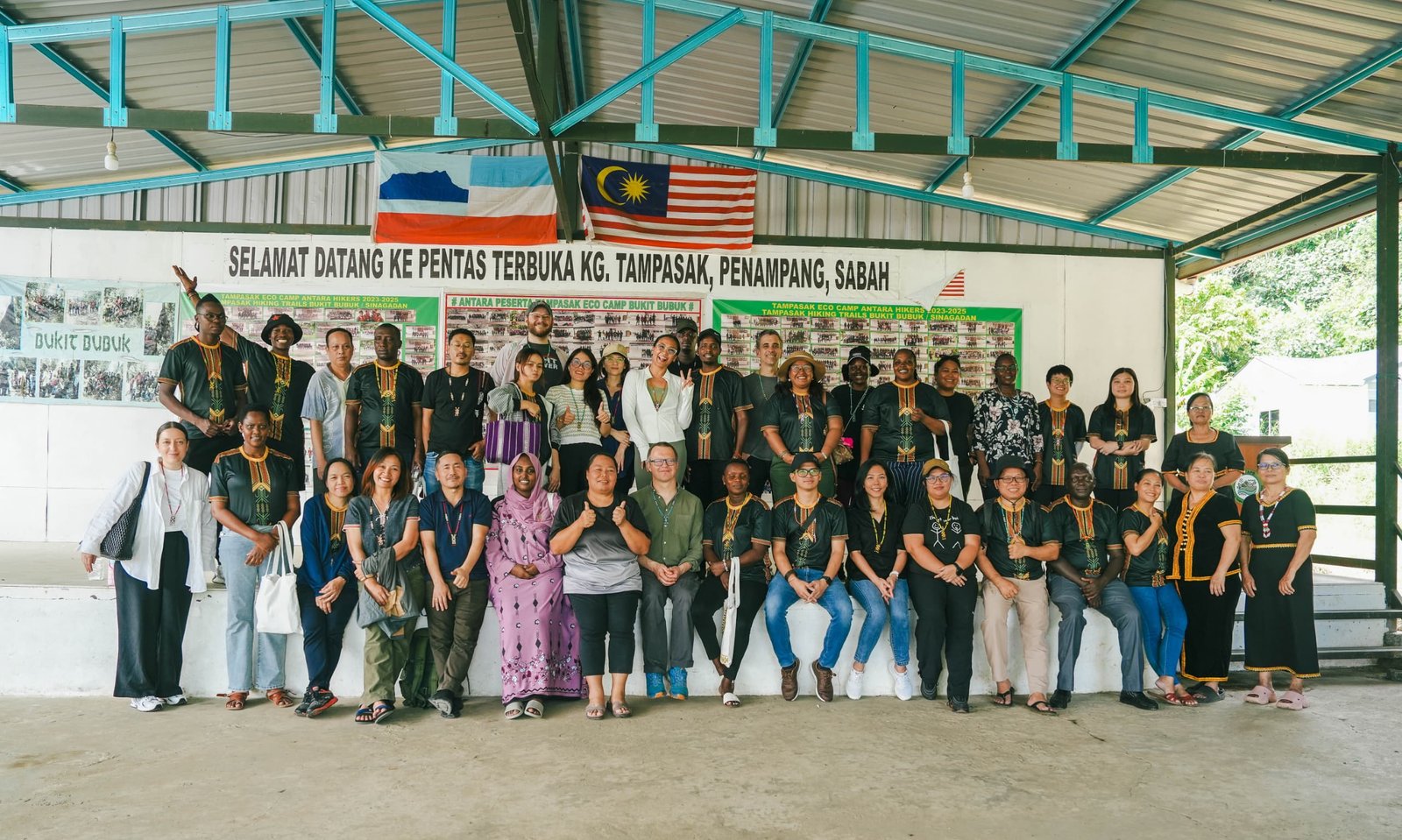
That was the question at the heart of the Digital Security Exchange Seminar on Holistic Security, held in Malaysia from 22–26 June 2026. Magamba Network’s Moto Labs Civic Tech Lead, Panashe Tabarirwa, and Climate X Indigenous Voices Lead, Ska Sebata, joined environmental defenders, technologists, community organisers, and Indigenous leaders from across Africa and Asia to explore a different way of thinking about safety, convened by The International Work Group for Indigenous Affairs (IWGIA) and Jaringan Orang Asal Semalaysia (JOAS) .
Over five days, conversations moved beyond firewalls and software updates. Participants shared stories from communities facing surveillance, shrinking civic space, misinformation, and increasing pressure on those defending human and environmental rights. Despite coming from different continents, the challenges sounded remarkably familiar.
The exchange introduced a simple but powerful idea: security isn’t something you install. It’s something you build.
It begins by understanding your environment, who supports your work, who might oppose it, where your vulnerabilities lie, and how risks change over time. From there, security becomes less about reacting to crises and more about preparing for them. Participants worked through practical approaches to mapping threats, assessing risks, and creating strategies that strengthen organisations before incidents happen.
But the biggest lesson was that security is only as strong as the people it protects.
A secure organisation doesn’t rely only on technology. It depends on clear systems, trusted relationships, healthy teams, and a culture where everyone understands their role in keeping each other safe. Digital security, physical safety, wellbeing, organisational processes, and community care are all connected. Neglect one, and the others become more vulnerable.
For Magamba, this way of thinking felt especially relevant.
As our digital ecosystem continues to grow through initiatives like Nafasi, Moto Labs, OpenParly, Hanzi WhatsApp Bot, Civic Cloud and Rural Digital Kiosks, security can no longer be treated as a technical task handled by a few specialists. It has to become part of how we work every day, from onboarding new staff and managing information to responding to incidents and protecting the communities we serve.
Beyond the training, the exchange offered something equally valuable: perspective.
Sharing space with Indigenous peoples and grassroots organisers from different parts of the world revealed that while every context is unique, many struggles are shared. Participants exchanged practical solutions, reflected on different traditions of community care, and explored how local knowledge can strengthen modern approaches to digital resilience. These conversations reinforced that the strongest security strategies are rooted in the realities of the people they are designed to protect.
The experience in Malaysia will continue to shape how Magamba approaches organisational resilience. The frameworks introduced during the exchange are already informing conversations around digital security, risk assessment, incident response, and internal knowledge sharing. More importantly, they reinforce a culture where security is everyone’s responsibility, not simply an IT function, but a shared commitment to protecting our people, our platforms, and our purpose.
As Magamba continues building technology and storytelling that support civic participation across Africa, these lessons serve as an important reminder: resilient organisations are built not only through stronger systems, but through stronger communities.
In Solidarity,
Cde Magamba